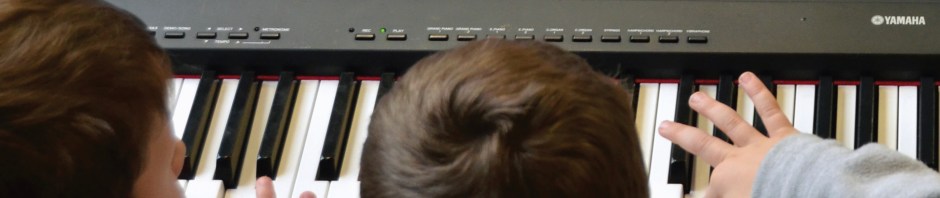
In all the music projects I deliver, the combination of music with stories is essential.
In the modern world this is the way that most children experience storytelling – through film, TV and computer games. Music adds another layer of meaning in these multi-media forms, allowing the viewer/listener to understand and empathise with characters and situations in much more visceral way…because of the emotional dimension supplied by the music.
Since children are exposed to TV, film and video games from a very young age, they develop an intuitive understanding of how music “feels” and what it is communicating in a particular scene…and they love to talk about it and share their knowledge!
When we are making music together, a story can act as a “score”. In following the story, children know intuitively when the music should start and stop, when to play loudly or quietly…when to make sound effects etc.
Preparing the music also gives us an opportunity to discuss the emotional journey of the story in depth – why is a character sad, happy or angry? What sort of music would help us to tell that? Are there different types of sad? Can a character be happy and sad at the same time?
Music and Stories together are a very powerful tool to inspire and engage the imagination.
 engagewithmusic