
Learning to listen is the key to early literacy…and there is no better, or easier way to learn to listen than through enjoying, exploring and playing with sound…. making music!
The transition from Nursery to Primary 1 is a big deal for young children!
So much has been done in recent years to help ease the move, but in most schools there is still a big change to navigate – the cultural shift from child-led, play-based learning to an environment with learning outcomes, key stages to reach and more structured goals, as the children learn to read, write and use numbers.
For many children this challenge can continue well into their Primary school experience, as literacy and numeracy become the foundation of all their learning.
For early literacy, focussed or “active” listening is so important.
How can we learn to encode written symbols for tiny parts of words if we cannot hear the subtle differences between the sounds that make up the words?
Our world today is a very noisy place! It is hard to find a quiet space where we can focus on just listening to one thing.
Bombarded as we all are with multi modal stimulation…TV, Radio, Smartphones, Tablets, Computer games – it is harder than ever for young children to find the time and space to just think about one of their senses …listening.
The first thing we do in our early years music sessions is play “active listening” games. These are games that focus on discriminating the differences between sounds…loud and quiet/ high and low pitch / bumpy and smooth / short and long / happy and sad etc.
We’re turning listening into fun!
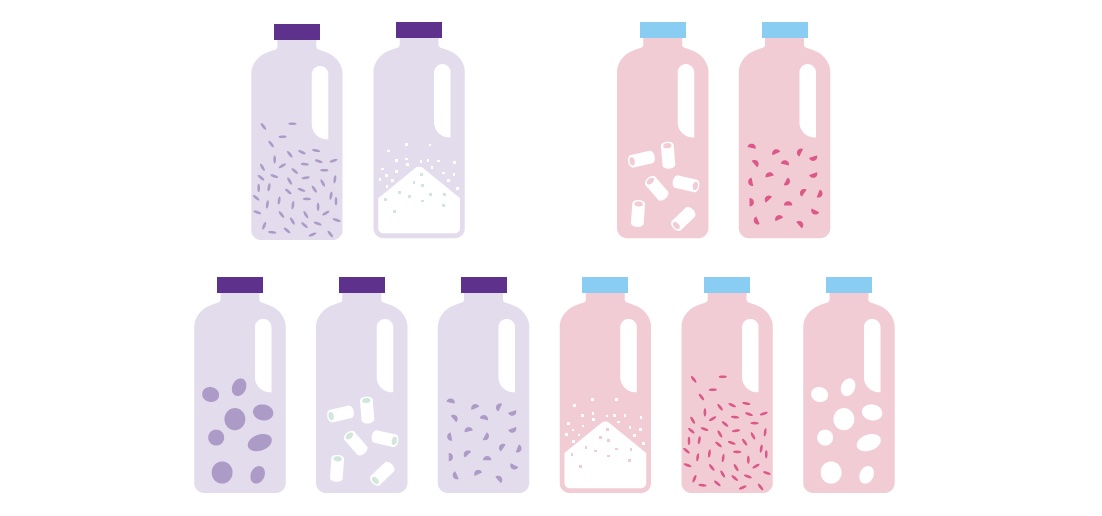
They range from comparing different homemade shakers and sorting them into loud and quiet…finding shakers that sound the same…thinking about sounds that are opposites…recorded walks to different places where the children have to listen for clues to identify the location…recordings of music where we listen out for different instruments, sounds and feelings …and stories where we have to create the sounds and moods as the characters experience them.
We will shortly be sharing these games with you so you can have fun playing them at home…but there is a lot that you probably do already!
- What sort of music do you listen to at home?
- Do you Dance at home?
- Do you have favourite songs or rhymes that you remember from your own childhood?
Just listening to music and talking about it is a fun way to develop your child’s listening and patterning skills!

- Share your own favourite music with your child at home – pop, rock, classical, rap, funk, jazz. It doesn’t matter what type of music it is.
- If you like it and show your enthusiasm… your child will like it too!
- Talk about the music, tell them why you like it, clap along, dance and move to the music, encourage their curiosity…
 engagewithmusic